Balancing Entertainment and Player Safety in the NFL
American football is straightforward in its core concept: move the ball from one end of the field to the other without being tackled. While the objective may sound simple, achieving it is a different story—especially with formidable, highly-trained athletes determined to stop the ball carrier.
The NFL is embedded in American culture as the crown sport above all others. But being such a violent sport, the league faces a significant problem: a player’s career averages only 3.3 years due to injuries, which are the Achilles' heel of this massive enterprise. In the past 10 years, extensive studies have revealed the devastating effects of constant blows to the head, leading to CTE (Chronic Traumatic Encephalopathy). CTE is a progressive degenerative disease that affects people who have suffered repeated concussions and traumatic brain injuries, and it is only diagnosable postmortem.
Retired players who suffered from CTE have the cognitive function of a person with advanced stages of Alzheimer's, leading to behaviors like senility. Examples include the late NFL icon, ex-Patriots linebacker, and Super Bowl winner Junior Seau, the ex-Oakland Raider Ken Stabler, and the tragic story of the late Aaron Hernandez.
Equipment Changes
Advancements in modern technology have helped players with high-end safety equipment, such as state-of-the-art helmets that have been subjected to millions of simulations to help prevent concussions. The NFL, working with bioengineers, has developed position-specific helmets that provide custom protection depending on the needs of each group of players. These changes have resulted in a 25% reduction in head trauma over the last five seasons.
In addition to position-specific helmets, the NFL has introduced innovative monitoring devices that measure the force and frequency of collisions during practices and games. These real-time data collection devices help medical personnel assess the impact's intensity and respond immediately if necessary. By continuously monitoring these factors, teams can better identify athletes who may be at risk of concussions and implement individualized intervention strategies. This proactive approach not only enhances player safety but also fosters a culture of health and awareness within the league, benefiting the overall well-being of athletes.
Rule Changes and Safety Measures in the NFL
The owners of the different teams and the NFL Players Association (NFLPA) hold extensive meetings after every season to review ways to make the sport safer. This involves discussing rule changes regarding what is legal and what is not, as well as considering the complete banning of certain plays that could change the game’s dynamics. Plays like tackling with the crown of the head or targeting the head of an offensive player have been entirely banned due to their high injury risk. If a player attempts these actions, they will be ejected from the game, fined by the league, and could face suspension for multiple games without salary.
The highest-impact plays often occur when both players are running at full speed, particularly during punt returns or kickoffs, as the returning team grabs the ball and faces full-speed defensive players. The league has explored various solutions to address this, but it seems that due to safety measures, they have almost eradicated these plays from the game. According to NFL stats, 77% of kickoffs now end in a touchback.
New Kickoff Rule
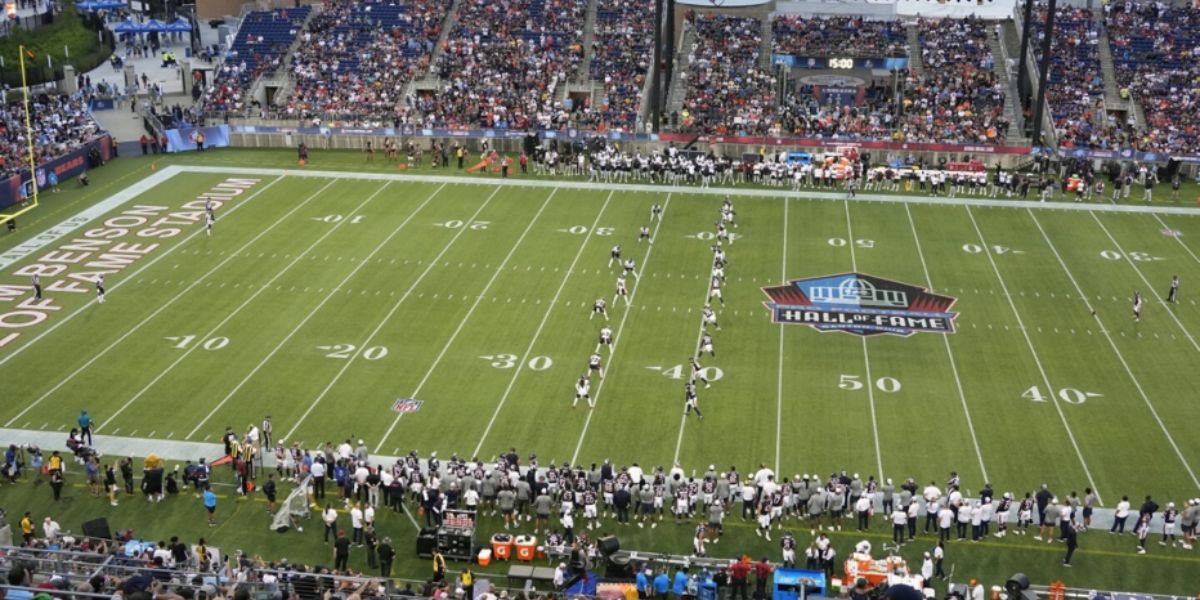
The NFL has been working on a new kickoff play. For ordinary kicks, the ball will be kicked from the 35-yard line; for safety kicks, it will be kicked from the 20-yard line. The other ten players on the kicking team line up at the receiving team's 40-yard line, with the kicker starting at this line for most kicks. These players are not allowed to move until the ball touches a player or the ground inside the 20-yard line (the "landing zone") or in the end zone. After kicking, the player is free to move, but they cannot pass the 50-yard line unless the same circumstances are satisfied.
In the "setup zone," the receiving team must have at least nine players between their 30- and 35-yard lines, with at least seven players on the 35-yard line. Only two players can be positioned deeper to return the kick, and they can move freely.
If the ball lands short of the 20-yard line, the receiving team gets the ball at their 40-yard line or a spot 25 to 30 yards ahead of where the kick was made, depending on the type of kick. The play stops as soon as the ball lands short. Players in the setup zone can block a low kick, but if doing so prevents the ball from reaching the 20-yard line or the end zone, it will be penalized like a short kick.
Returning kickoffs for touchdowns is one of the most exciting plays in the game. Names like Devin Hester, known for his run with the Chicago Bears, are always mentioned when teams consider kicking the ball short just to avoid him getting it. With this new rule, the NFL aims to bring back this excitement, prevent devastating injuries, and increase teams' scoring potential, as offensive teams will typically end up with better field positions.
As the NFL continues to evolve with a focus on player safety and increased entertainment, it's an exciting time to be a fan. To enhance your viewing experience and potentially win big, consider using the BetMGM Bonus Code. With the NFL season in full swing, now is the perfect opportunity to place your bets and cheer on your favorite team.
The Future of the Game
The NFL is ensuring that these measures to prevent injuries reach even the youngest players, as coaches are being taught how to instruct safe tackling techniques. By doing so, the NFL aims to preserve one of America's most beloved sports.
By focusing on safety at every level of play, from youth leagues to the professional ranks, the NFL is taking crucial steps to protect its athletes and ensure the longevity of the sport. These efforts not only reduce the risk of serious injuries but also foster a healthier, more sustainable environment for players to thrive. As these measures continue to be implemented and refined, the NFL can uphold its reputation as a leader in sports safety while preserving the excitement and tradition that make football such a cherished part of American culture.
Please note that some links in this article may be sponsored or contain affiliate content.