How Wearable Technology Is Changing Athlete Training Regimens
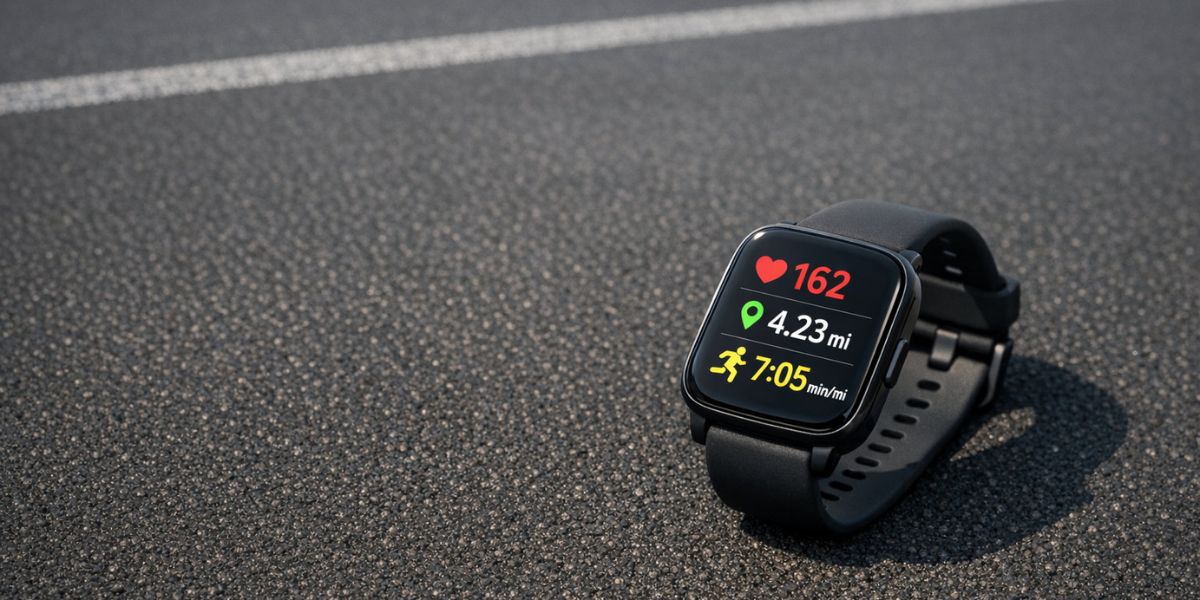
Wearable technology forms a vital link between modern athletic performance and advanced data collection. Coaches and athletes now rely on wearables to fine-tune training, monitor health, and reduce injury risk. As the technology evolves, it plays an increasingly central role in shaping how teams assess, prepare, and compete.
Sports science now uses compact wearable sensors to collect information beyond traditional stopwatch timing and visual observation. These devices track heart rate, movement, and other metrics in detail. Wearable technology is commonly adopted by teams focused on optimizing performance and limiting setbacks. This focus on real-time data use can be observed in other settings where ongoing feedback shapes outcomes, such as a sweep slots casino where continuous information influences participant engagement.
Core Functions and Real-Time Athletic Monitoring
Wearable technology has improved the ability to monitor physical output and physiological responses during both training and competition. Devices record metrics such as distance run, acceleration, maximum heart rate, and movement patterns, offering specificity not previously attainable.
With access to these metrics, teams can build individualized profiles for each athlete, gaining a clearer understanding of how bodies react at various training intensities. Immediate feedback supports coaches in identifying signs of fatigue or insufficient workload, allowing adjustment of sessions before problems develop.
Modern wearable devices also incorporate GPS tracking and inertial measurement units that capture three-dimensional movement data with remarkable precision. This allows coaching staff to analyze not just how far an athlete moves, but the quality and efficiency of that movement. Metrics such as stride length, ground contact time, and asymmetry between left and right sides provide insights into biomechanical efficiency and potential areas of concern. The integration of multiple sensor types within a single device creates a comprehensive picture of athletic output, enabling more nuanced analysis than any single measurement could provide on its own.
Enabling Personalized Training and Workload Balance
The detailed data provided by wearable devices has made personalized athlete development more effective. Coaches are able to customize training intensity, types of fitness drills, and rest intervals in response to an athlete’s recovery and competitive demands. This helps ensure preparation is matched to position-specific requirements and upcoming events.
Appropriately managing workload is critical in both enhancing performance and reducing the likelihood of injury, as consistently exceeding individual thresholds can increase risk. Real-time feedback enables coaching staff to track signs of fatigue and make immediate modifications to routines, maintaining a balance between challenging athletes and supporting their long-term health.
Supporting Injury Avoidance and Safe Return to Play
Wearable devices assist with detecting potential warning signs like sudden workload spikes or movement inconsistencies. Identifying these early allows coaches and medical professionals to intervene promptly and tailor training protocols or provide focused support based on evidence.
This proactive strategy builds on traditional medical screening and makes return-to-play decisions more data-driven. When used alongside direct observation and clinical expertise, wearable technology helps facilitate safer returns after injury and may reduce the chances of issues recurring.
Please note that some links in this article may be sponsored or contain affiliate content.