Inside the Life of a Professional E-Sport Player Including Training, Challenges and Rewards
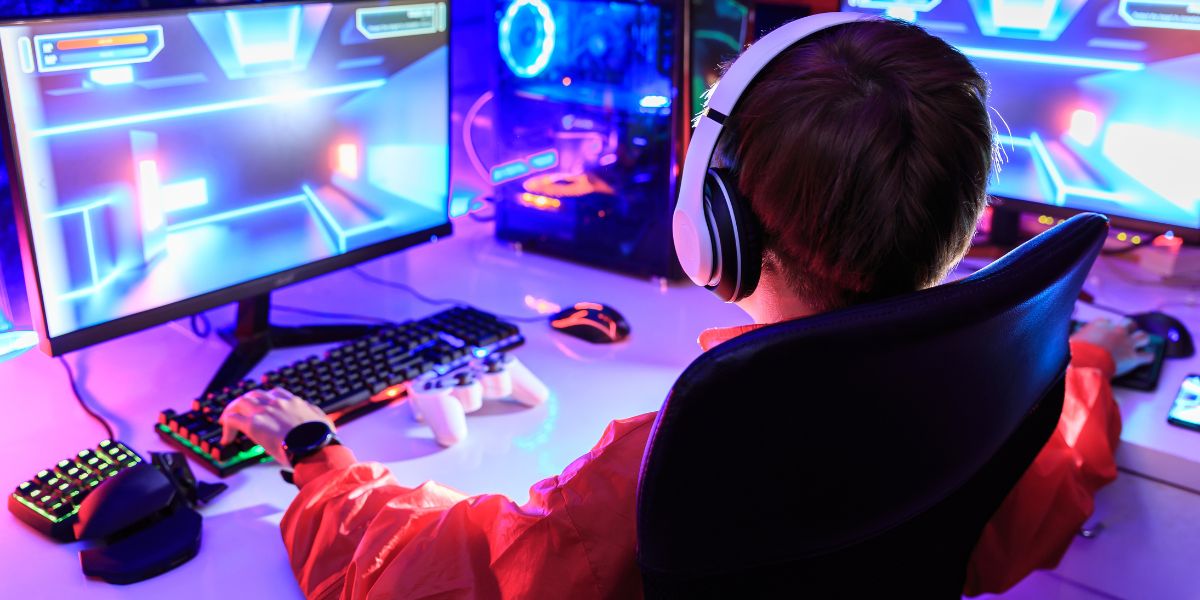
This article offers readers an in-depth look into the life of a professional esports player. It explores their daily routine, the challenges they face, and the rewards they earn through their dedication and hard work.
A Typical Day in the Life
For professional e-sport players, gaming is not a hobby but an obligation, which requires a full-time commitment to the game. They plan everything in detail: among the morning activities are physical exercises such as improving reflexes, strengthening stamina and building muscle mass. Morning activities also include reviewing a match that happened, working out tactics with a team, or honing up individual skills. Afternoon and evening sessions are taken mostly by scrimmages, team training, or tactical perfection. Despite these thick schedules, players needed some time to rest, both for their mental and physical well-being.
Engaging with CS2 & CSGO Gambling Sites
The release of Counter-Strike 2 revitalized the community, not only in-game, but also through new dimensions to its competitive landscape. In fact, the CS2 Betting in 2025 gained much momentum and attracted the attention of fans worldwide who desire to engage more meaningfully with tournaments. The integration of live odds and player stats into the betting platforms made the audience experience it as an immersive one, and this has raised the stakes for players, while it does raise ethical considerations and a lot of pressure to perform. For professional gamers, this requires focus and transparency in this landscape to protect the integrity of this sport.
Building the Skills
E-sports training is not limited to just playing games. The professional player spends hours perfecting his player's mechanical skills such as aiming, reaction time and game sense. They perform some mental exercises as well: problem-solving and decision-making drills. Team-style games require great communication and leadership skills from the players. Along with the coaches, the players go over the match data to identify chinks in play and perfect their strategies. This hardcore training keeps them competitive within an ever-changing environment.
The Mental Game and Coping with Stress to Stay Focussed
Professional e-sports is fraught with huge pressures, from tight competition schedules to the weight of fans' expectations and most suffer from burnout, anxiety and stress, hence mental health support is embedded in their career. The teams are increasingly using meditation and counseling among other forms of relaxation techniques. During a match, one needs to be focused and hence visualization and breathing exercises are used by players to keep themselves composed during high-intensity moments.
How Players Break Into the Professional Scene
Once a player wants to become a professional, this not only requires skill but also dedication, networking and perseverance. Most of the top players climb to the top by coming through online competitive scenes or amateur tournaments and get noticed by talent spotters. Probably, they will join semi-professional teams and then they enter into professionalism. Social media presence and streaming would also allow players to develop a following; thus, this would make them much more visible to potential sponsors and organizations.
Coaches and Analysts
Yet, behind all the successful e-sport teams is a dedicated supportive structure that helps in building players' strategies, teamwork and motivation. Analysts gnaw into opponents' gameplay and provide insights which might just make all the difference between a win and a defeat. Nutritional experts, physiotherapists and psychologists are increasingly part of an e-sports set-up that keeps players healthy to deliver performances.
Financial Awards and Sponsorships
For money in it, the financial opportunities behind esports are huge, although some of the players rake in cash from various streams such as tournament winnings, sponsorships and streaming. Huge investments in esports are being made by big brands and top deals have been thrown the way of top-performing players and teams. Yet, it is very important to handle one's finances responsibly, as careers in e-sports are somewhat short in length. They often work with agents and/or financial advisors to secure long-term stability when retired from gaming itself.
Cultural Impact
E-sports has impressively grown into an international phenomenon, connecting players and fans from across the world with the common love of competitive gaming and because of this, professional gamers have very often become ambassadors for the sport, attending international tournaments, mingling with fans from all walks of life and representing their teams on the world stage. Interacting with them really gives a sense of community and inclusiveness in the world of e-sports, besides being an opportunity to show how one can handle different environments and audiences. E-sport is far from just gaming; it sets trends in fashion, music and even language because gaming slang has already become part of everyday conversations. Again, this brings the conversation to how this world is interconnected and in some respects, it has been able to achieve what other areas have not: making cultures closer and creating a single global culture.
Planning for a Future Beyond the Pro Circuit
E-sports careers, though glamorous, also don't last that long and it is nothing out of the ordinary for pro players to move on after retirement and take on different roles: coaches, content creators and even game developers. Others seek business opportunities through merchandise sales and investments in gaming-related start-ups. Planning for a post-playing life may be tricky in such a here-and-now occupation, but it is usually absolutely necessary if one wants success and security that lasts. Education and the acquisition of new skills while building their career are how players do this in action.
Please note that some links in this article may be sponsored or contain affiliate content.