College Football Odds Explained: How Line Movement, Rankings, and Momentum Shape the Betting Market
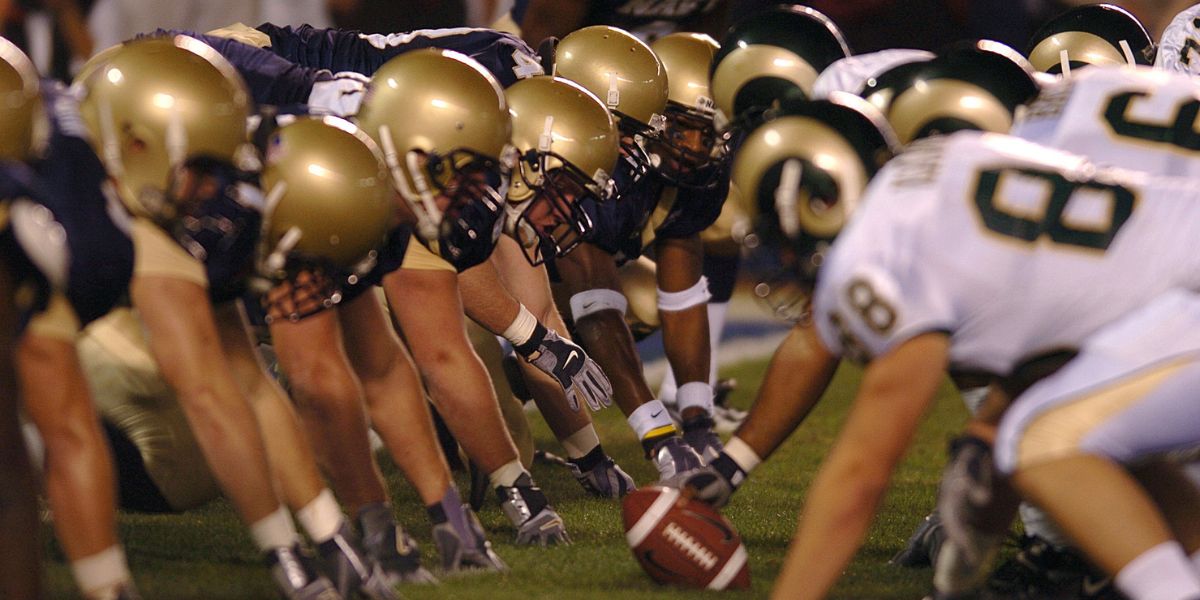
The College Football season is entering its most unpredictable and thrilling stretch, the point where every game can shift rankings, playoff implications, and betting markets overnight. Fans and bettors are watching closely as powerhouse programs battle to stay on track, while underdogs look to shock the nation and sportsbooks alike.
Understanding how odds move, what influences them, and how to interpret the betting landscape is crucial for anyone looking to make informed wagers. Whether you’re a casual fan curious about the numbers or a seasoned bettor seeking value, reading the field correctly can be the difference between a winning ticket and a missed opportunity.
How College Football Odds Work
College Football odds reflect more than just which team is better; they’re a constantly moving equation that accounts for injuries, momentum, coaching matchups, weather, and betting volume. Oddsmakers analyze every variable to set lines that attract balanced action on both sides.
In simple terms, sportsbooks aim to find equilibrium. When too much money flows toward one team, lines shift to encourage bets on the other. This means that the posted spread or total doesn’t just represent a prediction; it’s also a reflection of market psychology.
For example, a top-ranked team like Ohio State might open as a 14-point favorite over an unranked opponent. But if bettors hammer the underdog early, that line could drop to 11 or 12 before kickoff. The movement tells a story: it signals where the public and professionals disagree. Understanding that dynamic helps bettors identify value before the market fully adjusts.
Spotlight: How to Read the Line Movement
Reading College Football line movement is as much an art as it is a science. Smart bettors, often called “sharps”, pay attention to when lines move, not just how much. Early-week line shifts typically reflect sharp action, while late moves closer to kickoff often indicate public sentiment.
For instance, if a spread for an SEC matchup moves from -3 to -5 by Wednesday, sharp money likely came in on the favorite. But if it shifts again Saturday morning due to heavy public betting, the late number may offer little to no value.
Another key factor: over/under totals. Games featuring explosive offenses, such as Indiana or Texas A&M, often draw attention to the “over,” forcing sportsbooks to raise totals. Meanwhile, defensive battles in the Big Ten might lean the other way, with lines dropping as bettors anticipate lower scoring.
To make informed wagers, pay attention to context, not just numbers. Injuries to star quarterbacks, changes in weather forecasts, or a team’s travel schedule can all reshape how the odds settle by kickoff.
Teams Driving the Betting Conversation
Heading into the following slate of matchups, several programs are influencing both the rankings and the markets. The College Football hierarchy remains tight at the top, with fan-popular teams like Georgia, Michigan, and Texas leading the charge. Their consistency in both execution and public appeal keeps them near the front of the betting board.
Meanwhile, up-and-coming programs such as Colorado, Missouri, and Washington continue to shake up expectations. These teams often deliver volatile results, creating opportunities for bettors willing to take calculated risks.
One notable trend: elite defenses are regaining prominence. Teams like Ohio State, Indiana, and Iowa are winning games by limiting opponents to minimal yardage, which has pushed more bettors toward unders in recent weeks. That’s a clear example of how strategy, not just star power, influences the latest college football odds across sportsbooks.
The volatility of mid-tier programs also drives betting interest. A team that covers the spread five weeks in a row can become overvalued quickly, while a powerhouse that fails to meet inflated expectations might suddenly present a bargain. Keeping track of these perception swings can yield significant long-term advantages.
Key Factors Influencing Odds
Each week in College Football brings new data that reshapes oddsmakers’ models. A few variables tend to matter most:
Quarterback performance
The quarterback remains the central figure in most College Football games, and their performance can be the single most significant driver of line movement. Injuries, sudden substitutions, or noticeable improvement from an elite passer can dramatically alter spreads, shifting both moneylines and totals. Bettors closely monitor completion rates, rushing ability, and recent form, since even subtle changes can cascade into major odds adjustments.
Defensive consistency
A team’s defensive reliability often dictates how close games remain relative to expectations. Squads that consistently generate turnovers, pressure the quarterback, or limit scoring drives tend to keep contests tighter than projected. That predictability makes these defenses particularly attractive to underdog bettors and those looking to hedge against volatile offensive matchups.
Situational scheduling
The timing and context of games can influence outcomes just as much as player skill. Teams emerging from a hard-fought rivalry or emotionally charged win may face fatigue or a performance dip the following week, making it harder to cover large spreads. Conversely, squads coming off a bye week often benefit from extra rest and preparation, giving them a strategic edge that can sway betting lines.
Public perception
High-profile programs (Alabama, Notre Dame, Ohio State) draw more casual money, which can inflate their lines. Savvy bettors look for overvalued favorites and undervalued underdogs in these spots.
Understanding these patterns allows bettors to anticipate line shifts and identify soft openings before the odds sharpen. Timing, as always, remains everything in sports betting.
Technology has also played an important role in understanding college football, with various simulator websites and apps providing accurate information.
Trends Bettors Are Tracking
In the coming weeks, attention will center on how top contenders handle adversity. Will Indiana continue to dominate offensively? Can Alabama maintain its defensive stranglehold deep into conference play? And will any dark horse from the ACC or Big 12 rise to challenge the national elite?
Bettors are also tracking totals closely. As offensive creativity surges, with more programs deploying spread systems and up-tempo attacks, scoring has spiked across the board. However, sharp bettors often target inflated overs when lines climb too quickly. The “under” still holds value when two disciplined, defensively-minded programs square off.
Prop markets are also expanding. Player performance bets, such as quarterback passing totals or rushing yard props, are gaining popularity. These markets offer fresh opportunities for bettors who study matchups in detail. For fans, all this adds up to excitement: every drive, every third-down stop, and every explosive play can shift not just the scoreboard, but the odds board as well.
Stay Informed
As College Football enters its decisive stretch, odds are shifting as fast as the narratives on the field. From powerhouse programs maintaining dominance to underdogs pushing boundaries, every snap carries implications for both fans and bettors.
Understanding how the numbers move, and why, is key to staying ahead in one of the most dynamic markets in sports. The excitement of College Football lies not just in the rivalries and touchdowns but in the constant ebb and flow of the odds themselves. Whether you’re watching from the stands or tracking spreads on your phone, one truth remains: in College Football, momentum changes everything.
Please note that some links in this article may be sponsored or contain affiliate content.